Rejection of Sibyl Vane
Dorian Gray's rejection of Sibyl Vane marks the novel's decisive moral turning point, the moment when his newly awakened vanity and cruelty destroy the woman who loved him and set the portrait's supernatural transformation irreversibly in motion. The event unfolds in the greenroom of the Royal Theatre, Holborn, immediately after Sibyl's disastrous performance of Juliet, and its consequences—her suicide, the first alteration of the painted face, and Dorian's embrace of a life without conscience—define the remainder of his story.
The Performance and the Disappointment
Dorian had brought Lord Henry Wotton and Basil Hallward to see Sibyl act, confident that she would dazzle them. Instead, she gave a wooden, artificial performance that drew hisses from the audience. Lord Henry pronounced her beautiful but incapable of acting, and Basil suggested she might be ill. Dorian, however, was devastated: "Last night she was a great artist. To-night she is merely a commonplace, mediocre actress." He sat through the remaining acts in a hard, bitter silence, and when the play ended, he rushed behind the scenes to confront her.
The Confrontation in the Greenroom
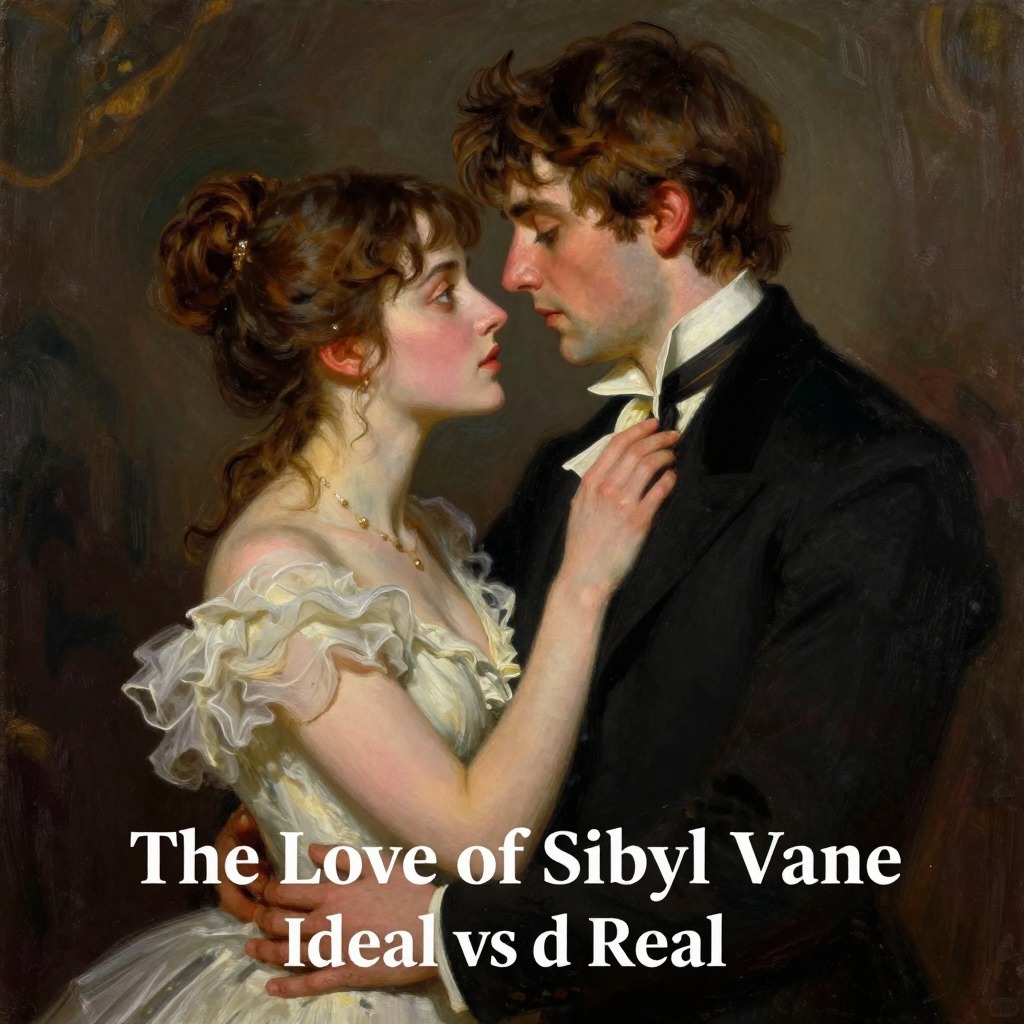
Dorian found Sibyl standing alone, her face radiant with triumph. She greeted him with joy, confessing, "How badly I acted to-night, Dorian!" When he answered, "Horribly! ... It was dreadful," she smiled and explained that before knowing him, acting had been her only reality—she had believed in the painted scenes and the godlike fellow actors. "You came,—oh, my beautiful love!—and you freed my soul from prison. You taught me what reality really is." She declared that she had seen through the hollowness of the stage and could never act again, because love had made her sick of shadows. "I might mimic a passion that I do not feel, but I cannot mimic one that burns me like fire." Dorian, unmoved, flung himself onto a sofa and muttered, "You have killed my love." He then delivered a devastating speech: "You used to stir my imagination. Now you don't even stir my curiosity. ... You are shallow and stupid. My God! how mad I was to love you! ... Without your art you are nothing. A third-rate actress with a pretty face." Sibyl grew white and trembled, pleading that she would try to improve, but Dorian thrust her back when she touched his arm, saying, "Don't touch me!" He left her crouched on the floor, sobbing like a wounded thing, and walked out of the theatre.
The Immediate Aftermath and the Portrait's First Change
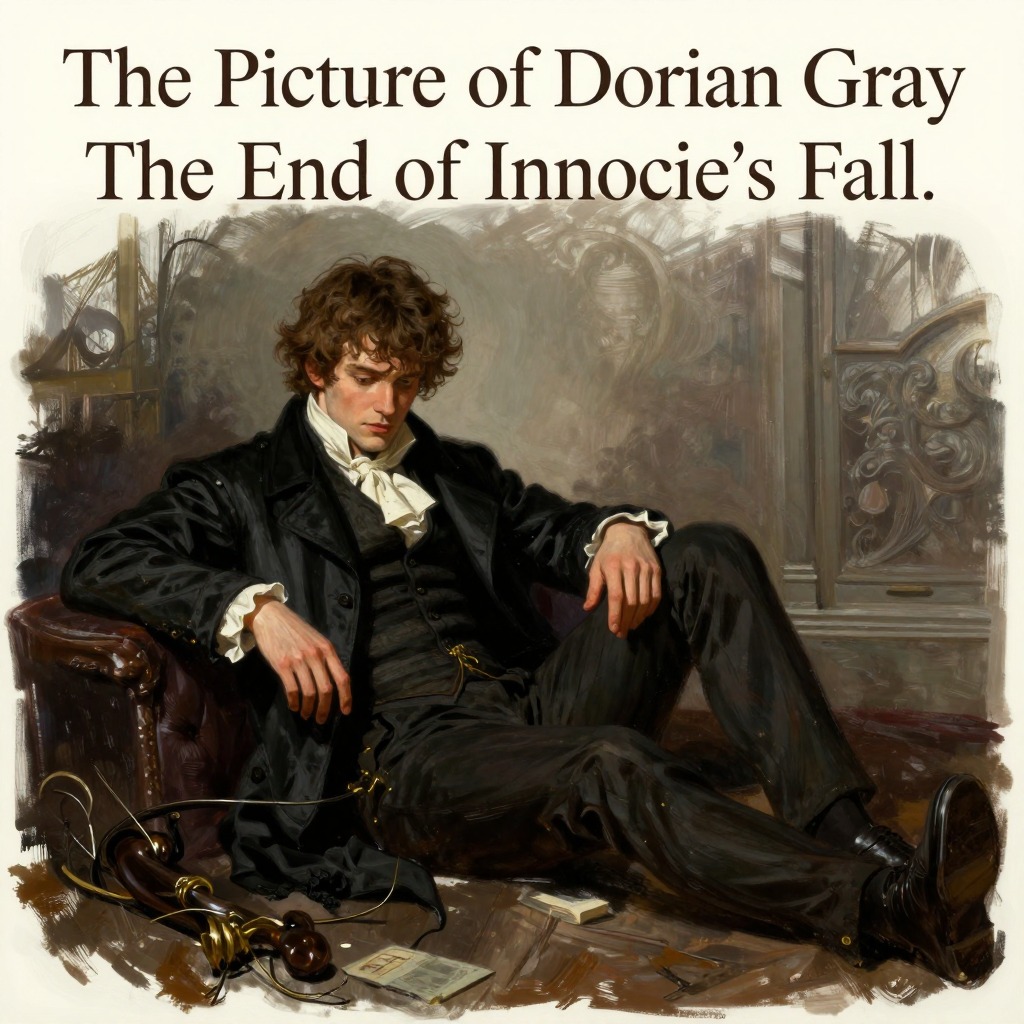
Dorian wandered through the streets until dawn, then returned home. In the library, he noticed that the portrait Basil had painted seemed to have changed: the mouth now bore a touch of cruelty. He recalled his mad wish in Basil's studio—that he might remain young while the picture aged—and realized with horror that his prayer had been answered. The portrait had altered to reflect his cruelty toward Sibyl. He resolved to make amends, to marry her, and to resist temptation. But the next morning, Lord Henry brought the news that Sibyl had swallowed poison and died. Dorian, after a moment of shock, accepted the tragedy as a dramatic spectacle and chose to let the portrait bear the burden of his shame, embracing eternal youth and a life of sin.
Thematic Significance
The rejection of Sibyl Vane crystallizes the novel's central themes: the destructive power of aestheticism divorced from ethics, the substitution of art for life, and the fatal consequences of treating people as objects of beauty rather than as beings with souls. Dorian's cruelty springs directly from Lord Henry's influence—the doctrine that youth and beauty are the only things worth having, and that the pursuit of sensation justifies any callousness. Sibyl's death, which Dorian later describes as "one of the great romantic tragedies of the age," becomes the first stain on the portrait, the visible emblem of his moral decay. The event also prefigures his later crimes: the murder of Basil Hallward and the blackmail of Alan Campbell, each a further step in the same pattern of treating others as instruments of his own pleasure.